Understanding the Economic Shift and Your Property
Inflation is a word we hear a lot lately, and for most of us, it feels like a pinch at the grocery store or the gas station. But when it comes to your house, the impact is a bit more complex. Your home is likely your biggest financial asset, and during times of rising costs, it can actually act as a powerful hedge against inflation. Because real estate is a physical item, its value often goes up when the dollar’s value goes down. However, inflation also brings higher interest rates and more expensive property taxes, which can put a strain on your monthly budget. If you are a homeowner in Deer Park, you might be wondering how to navigate these changes. Is it better to hold onto your property and wait for more market appreciation, or is it time to look for a way to sell your Deer Park home fast to lock in your equity? The answer depends on your personal goals and the current local real estate trends.
Smart Strategies for Homeowners During Inflation
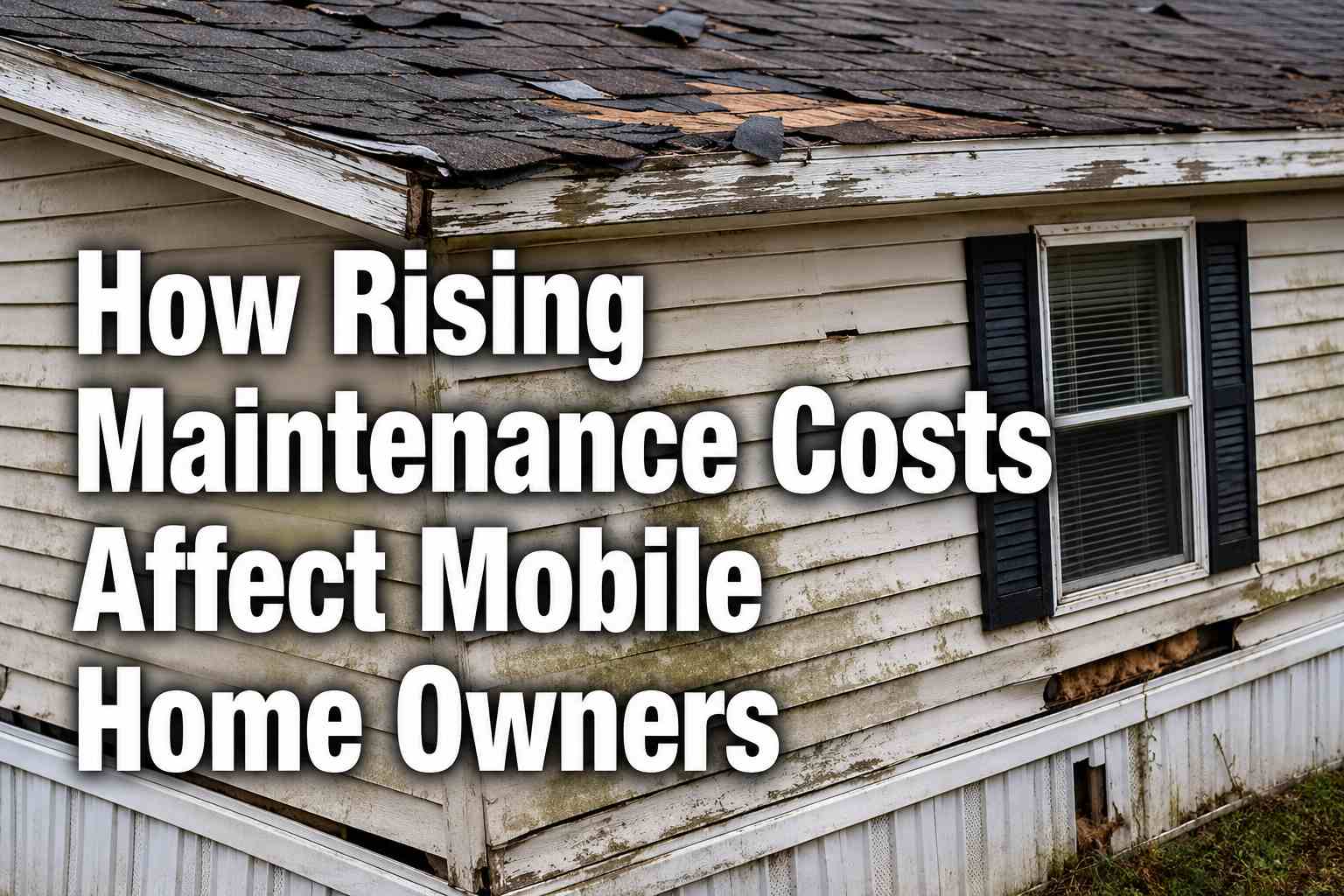
Protecting your investment requires a mix of maintenance and financial planning. When prices rise, the cost of home repairs also skyrockets. Fixing a roof or replacing an HVAC system can cost 20% to 30% more today than it did just a few years ago. One of the best ways to protect your home’s value is to handle small issues before they become major property defects.
Boosting Your Home Equity
Even in a fluctuating economy, you can increase your home equity through strategic updates. Focus on high-return projects like upgrading your kitchen or improving curb appeal. These changes make your home more attractive to prospective buyers and help you stand out if you decide to list your property.
Managing Your Mortgage
If you have a fixed-rate mortgage, you are in a great spot. You are paying back your loan with “cheaper” dollars as inflation rises, while your monthly payment stays the same. However, if you have an adjustable rate, your payments could jump significantly. In that case, you might want to explore your options or check out a helpful guide on real estate cycles to see where the market is headed.
Deer Park Neighborhood Profiles: Where Does Your Home Sit?
Deer Park is known as the “Birthplace of Texas,” and it has a reputation for being a stable, family-oriented community. But not every street reacts to inflation the same way. Understanding your specific neighborhood pocket is key to making a smart move.
The Established Heart of Deer Park
Areas near the San Jacinto Battleground and older, established streets offer a lot of charm. These homes often have larger lots and mature trees. During inflation, these properties tend to hold their value well because of their location and history. However, they may require more capital expenditures for maintenance. If you own an older home and the repair list is getting too long, you might decide to sell your Deer Park home fast rather than pouring more money into a declining structure.
New Developments and Modern Subdivisions
The newer sections of Deer Park, especially those closer to the beltway, attract young professionals and growing families. These homes are more energy efficient, which is a huge plus when utility prices are rising. These neighborhoods often see quicker home price growth because they are move-in ready, which is exactly what today’s qualified buyers are looking for.
Comparison with Surrounding Areas
When you compare Deer Park to nearby Pasadena or La Porte, Deer Park often comes out on top for its highly rated school district. This “school district premium” acts as a shield for your property value. Even when the broader economy slows down, families still want to live in areas with great schools, keeping housing demand high.
When Selling Becomes the Best Protection
Sometimes, the best way to protect your wealth isn’t to hold the asset, but to cash out. If property taxes are rising faster than your income, or if you are sitting on a mountain of unrealized gains, selling could be the smartest financial move.
Avoiding the “Wait and See” Trap
Many homeowners wait too long, hoping the market will go even higher. But inflation often leads to a “cooling off” period where days on market increase and inventory levels rise. If you wait until everyone else is trying to sell, you might find yourself in a buyer’s market with less leverage.
Dealing with “As-Is” Properties
If your home needs significant work, selling through a traditional real estate agent can be a nightmare during high inflation. Buyers are scared of renovation costs and often demand huge seller concessions. This is where a cash offer can be a lifesaver. You can avoid the stress of home inspections and the risk of a deal falling through because of a bank’s mortgage underwriting process.
How Houston Capital Home Buyers Can Help
Navigating a complex market is easier when you have a partner who understands the local landscape. Houston Capital Home Buyers specializes in helping people who need a simple, certain exit strategy. We know that inflation creates unique pressures, and we are here to provide a bridge to your next chapter. We pride ourselves on a process that is built on transparency and respect. When you work with us, you don’t have to worry about cleaning, repairs, or paying out a 6% real estate commission. We buy homes in any condition, which means you can walk away with your equity intact without spending a dime on closing costs. One of the things we are most proud of is our standing in the community. You can see our trusted local reviews on Google to see how we’ve helped your neighbors move on with confidence. Our goal is to make the process so easy that you can focus on your future, not the stress of a house that no longer fits your needs. We believe in providing a fair, honest service that treats your home with the value it deserves.
Frequently Asked Questions
Does inflation always make home prices go up? Not necessarily. While inflation generally pushes up the cost of physical assets, it also leads to higher interest rates. If rates get too high, fewer people can afford to buy, which can cause market cooling. Should I fix my home before selling? In a high-inflation environment, labor and materials are expensive. If you can do the work yourself, it might be worth it. If not, selling “as-is” to a real estate investor often nets you a better “bottom line” after you factor in the time and money saved. How fast can a cash sale happen? Because there are no banks involved, a cash sale can often close in as little as 7 to 14 days. This is a great way to get your funds quickly if you are worried about further economic shifts. For more on how this works, you can read our blog post on cash transactions.
Conclusion: Take Control of Your Financial Future
Rising inflation doesn’t have to mean losing sleep over your home’s value. By staying informed about local market conditions and keeping an eye on your property’s equity, you can make decisions that protect your family’s wealth. Whether you choose to stay and renovate or decide to move on, the key is to act with a clear plan. The housing market can change quickly, especially when the economy is in flux. According to the Federal Reserve, monitoring regional economic trends is vital for any homeowner. You can also find great resources for local homeowners at HUD.gov to help you understand your rights and options. If you are ready to see what your home is worth today or if you want to discuss a no-obligation offer, we are here to help. Houston Capital Home Buyers provides a pressure-free way to explore your options and ensure you get the best outcome for your situation.
Give us a call at our hotline office: (713) 581 9075