

Old Town Spring: A Historical Gem Preserving the Heart of Texas Heritage
Old Town Spring is the site of an old settler’s camp from the late 1870s. It is located in Spring, Texas, approximately 25 miles north of Houston. Old Town Spring is a historical sight, as well as a hub for various businesses, merchants, and local events. The area is managed by a non-profit organization called the Spring Preservation League. At its roots, Old Town Spring is an attempt to preserve a slice of history.
The area on which Old Town Spring is founded was once land of the Orcoquisac tribe. Trade posts were set up in the area for French and Spanish settlers to trade with the Indigenous Americans. As time moved on, more and more settlers moved into the area and after Texas won its independence from Mexico in 1836 colonialization flourished.
Despite this abundance of colonization, it wasn’t until the 1970s that the town was officially named. Railroad workers began expanding tracks into Texas after the Civil War. After a particularly harsh winter, the worker’s came into the area and called it Camp Spring in celebration that the winter had passed. Spring officially became a settlement and base of operations for the railroad workers in 1873.
The Spring area saw relative prosperity until the 1920s. At that point, the railroad moved their base of operations, and business suffered. Spring became a small settlement, and that is how it remained until the late 60’s. The oil boom in Houston brought additional economic growth to the area, which revitalized Spring. Old Town Spring’s goal is to maintain this rich history.
Since that time, Spring has become a hot spot for business and festivities. As of June 2018, there were 169 different businesses listed as located in the Old Spring area offering an abundant array of goods and services, along with museums showcasing its rich history. Additionally, Old Town Spring hosts multiple festivals a year, including the annual Texas Crawfish Festival.
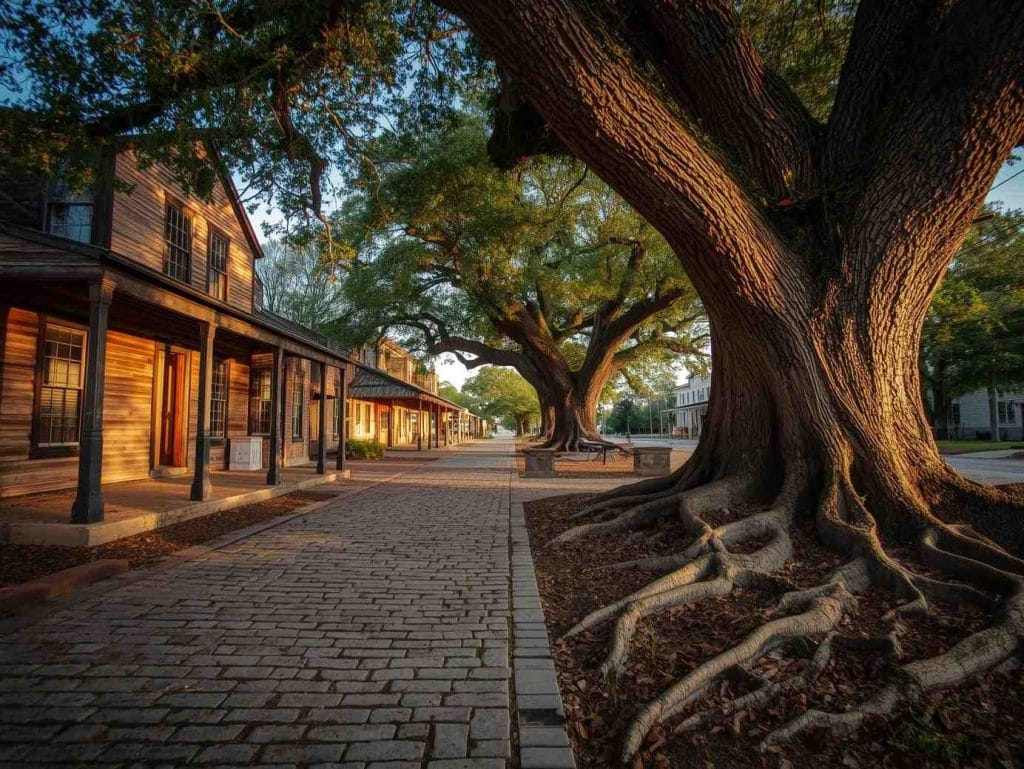
The Deep Roots of Old Town Spring
To truly understand the significance of Old Town Spring, one must first appreciate the land’s ancient roots. Long before European settlers arrived, the region was home to the Orcoquisac tribe, a branch of the Atakapa people who lived along the Gulf Coast. These Indigenous Americans thrived through hunting, fishing, and trade. The waterways and fertile soil of the Spring area made it an ideal location for settlement and commerce.
When French and Spanish explorers began to arrive in the early 1700s, they established trade posts to exchange goods with the native population. Over time, these trading relationships shaped the cultural and economic development of the region. The interaction between the settlers and the Indigenous people laid the groundwork for what would later become a crossroads of history and commerce — the same spirit that Old Town Spring carries today.
A Settlement Born from the Railroad Era
The railroad brought transformation across Texas, and Spring was no exception. Following the Civil War, the expansion of the railroad system changed how communities grew and traded. When railroad workers ventured into what is now Old Town Spring, they found the landscape lush and inviting after a long, difficult winter.
The name “Camp Spring” came as a natural expression of relief and hope — symbolizing the end of a bitter season and the beginning of renewal. By 1873, Spring became a base of operations for the International and Great Northern Railroad, giving rise to new businesses, homes, and a sense of permanence. The area quickly became a critical point of connection between northern and southern Texas.
During its height, Spring was home to a bustling community featuring several saloons, hotels, a bank, and even an opera house — a sign of its early prosperity. It became a vital stop for travelers and traders passing through the Houston region.

The Economic Shifts of the 20th Century
Like many railroad towns, Spring’s fortunes rose and fell with the movement of the trains. When the railroad company moved its operations in the 1920s, local businesses lost much of their foot traffic. Many residents relocated in search of new opportunities, leaving Spring a quiet, nearly forgotten settlement for decades.
However, the spirit of the town never completely faded. The community’s resilience and connection to its past remained strong, passed down through generations. When Houston’s oil industry boomed in the 1960s and 70s, the ripple effect brought new energy and investment to nearby towns. Spring began to grow once again — but this time with a renewed focus on preserving its unique past.
The Birth of Old Town Spring and Its Preservation Efforts
Old Town Spring, as we know it today, emerged from a collective desire to protect and showcase the area’s historic character. Local residents and business owners worked together to restore many of the original 19th-century buildings, turning them into shops, boutiques, and museums that celebrate the town’s roots.
The Spring Preservation League, a non-profit organization, was formed to manage the area and oversee events, maintenance, and historical education. Through their efforts, Old Town Spring became a living museum — a place where history meets modern-day commerce and community life. The charming streets, old-style architecture, and welcoming atmosphere attract thousands of visitors every year.
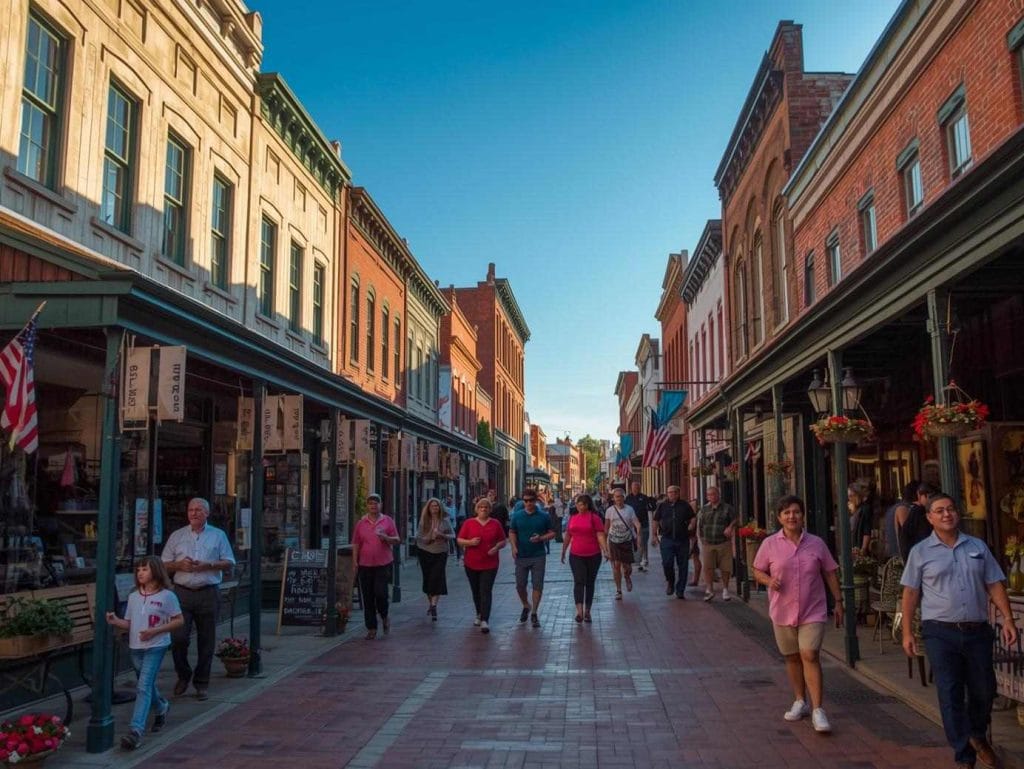
A Thriving Business and Cultural Hub
Today, Old Town Spring boasts a vibrant economy built on small businesses and tourism. As of June 2018, 169 different businesses were listed in the Old Spring area — from antique stores and art galleries to specialty boutiques, cafes, and wineries. Each shop tells its own story, often blending Texas heritage with the personal passion of its owners.
This diversity of merchants has helped transform Old Town Spring into one of the Houston area’s most beloved weekend destinations. Visitors can enjoy live music, artisan crafts, local dining, and seasonal events that celebrate both Texas culture and small-town charm.
The town’s pedestrian-friendly streets, lined with century-old buildings, make it feel as if time has slowed down — a refreshing contrast to the fast pace of modern Houston just 25 miles away.
Museums and Historical Attractions
For history lovers, Old Town Spring offers several attractions that capture the town’s past. The Spring Historical Museum displays artifacts, photographs, and documents that tell the story of the early settlers and railroad development. Visitors can learn about the town’s early architecture, industries, and community traditions.
Many of the preserved structures throughout Old Town Spring also serve as living monuments. Walking through its streets, one can find restored Victorian homes, repurposed general stores, and rustic barns now housing local artisans. These elements preserve not just the buildings but the very essence of 19th-century Texas life.
Festivals, Events, and Local Traditions
Old Town Spring is more than just a shopping destination; it’s a community that thrives on celebration. The town hosts multiple festivals each year, drawing crowds from across Texas. Among the most popular is the Texas Crawfish Festival, a lively event filled with Cajun music, local food, and family-friendly activities. The festival highlights the area’s southern flavor and commitment to community fun.
Other annual events include SpringFest, Home for the Holidays, and local craft fairs that feature artists, bakers, and musicians. These gatherings bring residents and visitors together to celebrate the spirit of Spring, Texas — blending history, art, and hometown pride.
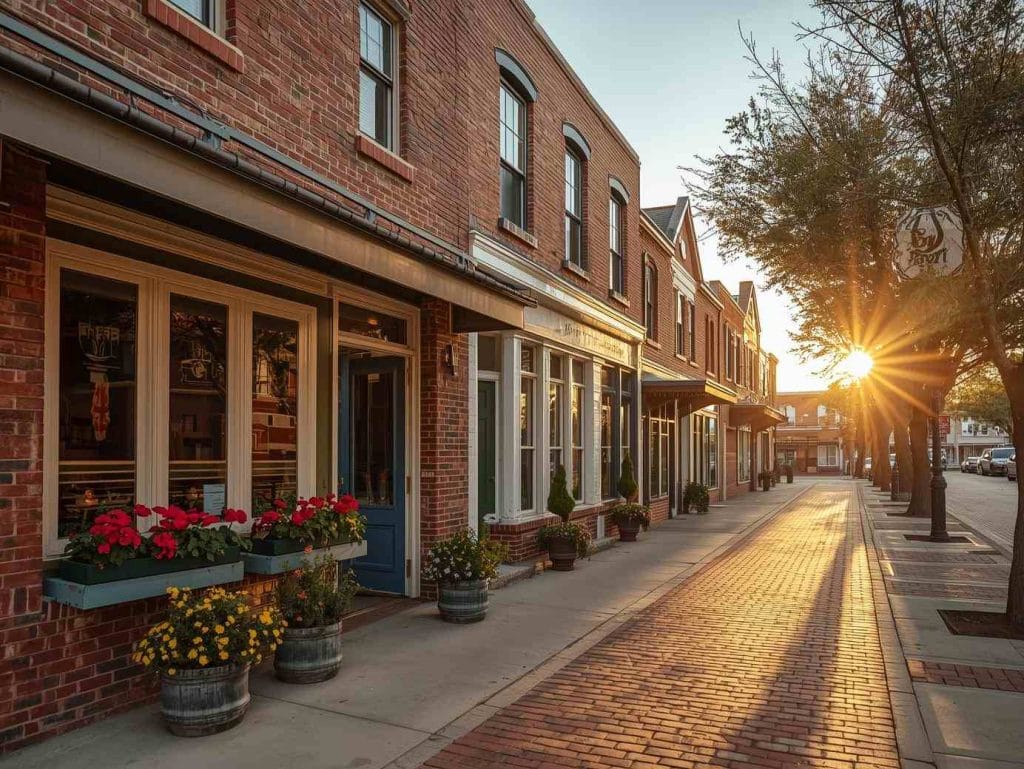
Old Town Spring’s Place in Modern Texas
In the modern era, Old Town Spring continues to balance heritage with progress. While the nearby city of Houston expands rapidly, Old Town Spring stands as a reminder of where it all began. The community’s emphasis on preservation allows new generations to experience a tangible link to Texas’ early days.
Tourists and locals alike visit not only to shop or dine but to step back in time — to experience a piece of authentic Texas history in the heart of a modern metropolis. The area remains a model of how small towns can thrive while protecting their identity and culture.
A Living Legacy
Old Town Spring is more than a collection of shops and historical buildings — it’s a living legacy of the people who built it. From the Orcoquisac tribe and early settlers to the railroad workers and modern entrepreneurs, every era has left its mark on this historic town.
Its journey from a trading post to a nearly forgotten settlement, and finally to a flourishing cultural center, reflects the resilience and creativity that define Texas itself. Managed with care by the Spring Preservation League, Old Town Spring stands as a testament to what a community can achieve when it honors its past while embracing the future.
Final Thoughts
Old Town Spring’s story is one of revival, heritage, and unity. What began as a modest railroad camp has evolved into a destination that welcomes thousands each year — people seeking not just goods or entertainment, but a connection to history. The cobblestone paths, the sound of live music, the scent of home-cooked meals, and the sight of restored wooden storefronts all combine to create an experience unlike any other.
Old Town Spring remains a timeless reminder that history, when cared for and celebrated, becomes not just the past — but a vibrant part of the present.
Looking to sell your home near Old Town Spring? Click here to see how we can help you sell quickly and easily!
Up Next: Meyer Park