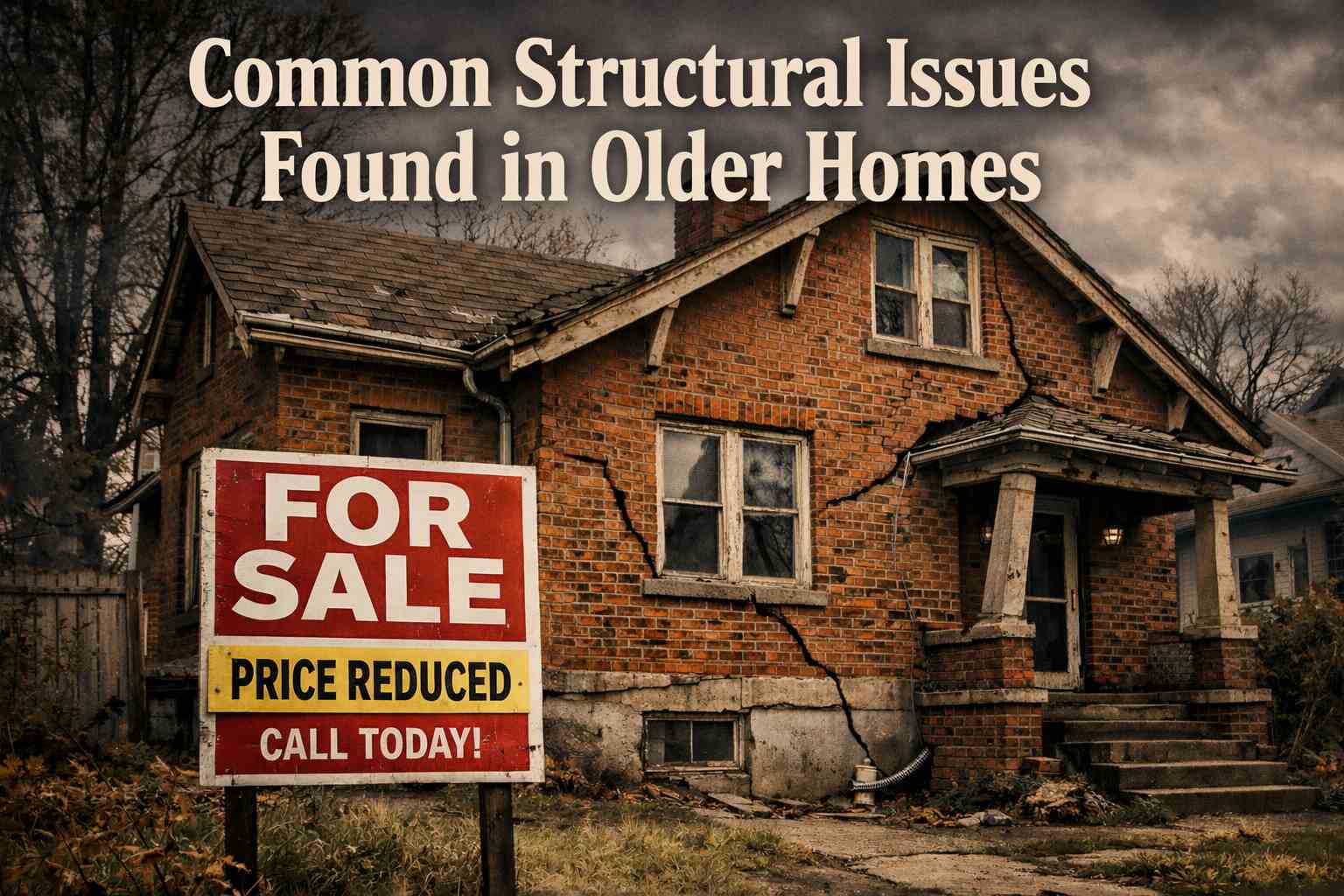
Spotting the Red Flags Before You Sell
Older homes in Texas have a certain charm that newer builds just can’t match. From the unique character of properties in the Highlands West area to the established feel of McNair, these houses tell a story. However, if you own a home built between 1940 and 1970, that story might include some hidden structural chapters. Whether you are preparing for a fast home sale in Highlands or simply want to maintain your property value, knowing what to look for is the first step toward a successful real estate transaction.
Understanding the Foundation: The Bedrock of Your Home
In the Houston metropolitan area, the soil is famous for shifting. Because Highlands sits at a lower elevation near the water, the ground often expands and contracts with the seasons. This movement is the primary cause of foundation failure in older residences.
Signs of Settlement and Heave
Natural settling happens to every house over time, but there is a difference between a “settled” home and one with a structural defect. Look for:
- Stair-step cracks in exterior brickwork.
- Horizontal cracks along the foundation base.
- Doors that no longer latch or windows that get stuck in the frame.
If you notice these, it might be time to consult a professional. The Texas Real Estate Commission provides guidelines on what sellers must disclose regarding these issues. Addressing these early can prevent a small crack from becoming a costly repair that scares away potential buyers.
Roof and Attic Problems in Aging Properties
A roof in Texas takes a beating from the sun, wind, and occasional heavy storms. In older parts of Highlands, many roofs were designed for a different era of weather patterns.
Roof Spread and Sagging
As materials age, the structural integrity of the roof can weaken. Roof spread occurs when the weight of the shingles pushes the walls outward because the internal framing isn’t strong enough. If you look at your roofline from the street and see a “dip” or a “wave,” that is a major red flag for structural damage.
Moisture and Ventilation
Older homes often lack the sophisticated ventilation systems found in modern construction. This leads to heat buildup and trapped moisture in the attic, which causes wood rot in the rafters. Mold growth is another common side effect that can fail a home inspection instantly.
The Hidden World of Plumbing and Electrical Systems
While we often think of “structural” as the bones of the house, the “veins” (plumbing) and “nerves” (electrical) are just as vital to a property valuation.
Outdated Piping
Many homes built before the 1960s used galvanized steel pipes or even lead. Over decades, these pipes corrode from the inside out, leading to low water pressure and hidden leaks. A slow leak behind a wall can rot the floor joists and ruin the subfloor, leading to a “spongy” feeling when you walk across the room.
Electrical Safety
Knob-and-tube wiring or old aluminum wiring can be a significant fire hazard. Modern families use way more power than people did 50 years ago. If your circuit breaker trips every time you use the microwave and the vacuum at the same time, your system is likely overloaded. Most conventional lenders will not approve a loan for a buyer if the electrical system is considered unsafe.
Comparing Highlands Neighborhoods
When you are looking to sell, it helps to know how your specific area compares to others. The Highlands housing market is currently a buyer’s market, meaning there are more homes available than there are active buyers.
| Neighborhood | Average Age of Homes | Common Issues |
| Town Center | 1950s – 1980s | Foundation shifts, outdated electrical |
| Highlands West | 1970s – 1990s | Roof wear, aging HVAC systems |
| McNair | 1940s – 1960s | Plumbing corrosion, wood rot |
Compared to nearby areas like Baytown or Crosby, Highlands offers more affordable housing, but the higher percentage of older stock means sellers often face more hurdles during the due diligence phase. If your home has significant issues, it might sit on the market for over 100 days, which is much longer than the state average.
Why “As-Is” Sales are Growing in Texas
For many homeowners, the thought of spending $20,000 on foundation piers or $15,000 on a new roof is impossible. This is why many are turning to a cash offer to simplify the process.
Selling a house with structural problems the traditional way requires you to:
- Hire a structural engineer.
- Make the repairs (and pay out of pocket).
- Wait for a buyer who can get bank financing.
- Pay a real estate agent commission.
If you want a fast home sale in Highlands, you might choose to skip these steps. According to HUD.gov, certain property conditions can make a home ineligible for FHA loans, which limits your pool of buyers significantly. Selling to an investment firm allows you to walk away with cash without picking up a hammer.
How Houston Capital Home Buyers Can Help
Dealing with a house that has “good bones” but bad problems is stressful. That is where we come in. At Houston Capital Home Buyers, we specialize in purchasing properties that need a little (or a lot) of love.
We understand the local landscape of the Highlands area. We don’t care if the floors are uneven or if the roof has seen better days. When you work with Houston Capital Home Buyers, you are choosing a partner that values transparency and speed.
Why Our Clients Trust Us
We take great pride in our reputation. Our customers often highlight our ability to close quickly and handle the heavy lifting. You can see our trusted reviews and find our location on the map here: https://maps.app.goo.gl/bHHdv2HBrkAq8rUh9. We are proud to be a local business that helps Highlands residents move on to their next chapter without the burden of a crumbling foundation.
Frequently Asked Questions
Can I sell a house with foundation issues in Texas?
Yes. You are legally allowed to sell, but you must disclose any known issues to the buyer. Many sellers find that a cash buyer is the easiest route because they don’t require the repairs to be finished before closing.
How much does it cost to fix a sagging floor?
It depends on the cause. If it is just a few rotted joists, it might cost a few thousand dollars. If the entire foundation is sinking, repairs can easily exceed $20,000. You can find more tips on managing repair costs on our real estate blog.
Will a bank finance a home with structural damage?
Most traditional lenders are very hesitant. They want to ensure their investment is safe. If the damage is severe, they may deny the loan entirely, which is why cash transactions are so common for older homes.
What is the fastest way to sell a house in the Highlands?
The quickest method is usually selling to a local home buyer like Houston Capital Home Buyers. This avoids the months of waiting for inspections, appraisals, and mortgage approvals. Check out more selling strategies to see what fits your timeline.
Final Thoughts on Selling Your Older Home
Moving Forward with Confidence
An older home is a piece of history, but it shouldn’t be a financial trap. If you are facing structural issues that feel overwhelming, remember that you have options. You don’t have to spend your life savings on repairs just to get the house onto the multiple listing service.
By understanding the common problems in the Highlands area—from the shifting clay soil to the aging pipes—you can make an informed decision. Whether you choose to fix the issues yourself or sell the property as it stands, being proactive is key to a smooth closing process.
If you are ready to see what your home could be worth without making a single repair, give us a call. We are here to help you navigate the complexities of the local market with a friendly, professional approach.
Contact our office today at (713) 581-9075 to get started.