Before diving into the selling process, it’s essential to determine your mobile home’s value. Understanding its worth will help you set a realistic asking price and attract potential buyers. Here are some factors that influence the value of your manufactured home:
Age and Condition
The age and condition of your mobile home significantly impact its value. A well-maintained home with modern upgrades will typically sell for a higher price than one that shows signs of wear and tear. Consider conducting a thorough inspection and making necessary repairs to enhance your home’s appeal.
Conducting a Thorough Inspection
Start by examining the overall condition of your home. Check for any visible damage or signs of wear, such as cracks in the walls, leaks, or outdated fixtures. Hiring a professional inspector can provide a detailed assessment of areas that may require attention, ensuring no potential issue goes unnoticed.
Importance of Modern Upgrades
Modern upgrades can significantly boost the value of your mobile home. Consider investing in energy-efficient appliances, updated lighting, or contemporary fixtures. These enhancements not only increase the home’s value but also make it more appealing to environmentally conscious buyers.
Regular Maintenance
Regular maintenance is key to preserving your home’s value over time. Create a maintenance schedule that includes seasonal checks of the roof, plumbing, and HVAC systems. Documenting maintenance activities can also serve as a selling point by reassuring buyers of the home’s well-cared-for condition.
Location and Community
The location of your manufactured home plays a critical role in determining its value. Homes located in desirable neighborhoods or communities with amenities like parks, swimming pools, and clubhouses tend to have higher market value. Research the local market trends in Houston, TX, to better understand the demand in your area.
Desirable Neighborhood Features
Identify what makes your neighborhood appealing. Proximity to schools, shopping centers, and public transportation can increase the desirability of your home. Highlight these features in your marketing materials to attract buyers who value convenience and community amenities.
Community Amenities
Communities that offer additional amenities like a fitness center, community events, or security features often attract buyers willing to pay more for a comprehensive living experience. Explore how your community’s unique offerings can be leveraged to enhance your home’s marketability.
Understanding Local Market Trends
Researching local market trends involves examining recent sales data, average home prices, and the time homes spend on the market. Stay informed about new developments or changes in zoning laws that could impact property values, helping you set a competitive asking price.
Size and Features
The size of your mobile home and its features, such as the number of bedrooms and bathrooms, can also affect its value. Homes with spacious layouts and updated features like energy-efficient appliances and modern fixtures are more attractive to buyers.
Spacious Layouts
A well-designed layout can make even smaller homes feel spacious and inviting. Consider rearranging furniture or adding mirrors to create an illusion of space, which can be a significant selling point for buyers looking for comfortable living environments.
Highlighting Unique Features
Identify unique features of your home that set it apart from others on the market. This could include a covered patio, custom cabinetry, or a large garden area. Highlighting these aspects in your listings can draw attention and intrigue potential buyers.
Energy Efficiency
Energy-efficient homes are increasingly in demand. Emphasize any energy-saving features such as solar panels, double-glazed windows, or high-efficiency HVAC systems. These improvements not only reduce utility bills but also contribute to a sustainable lifestyle, attracting eco-conscious buyers.
Preparing Your Home for Sale
Once you have a good understanding of your mobile home’s value, it’s time to prepare it for sale. A well-presented home can make a significant difference in attracting potential buyers and securing a favorable deal.
Clean and Declutter
A clean, clutter-free home creates a positive impression on buyers. Take the time to clean every room thoroughly, including floors, windows, and appliances. Remove personal items and excess furniture to make the space appear larger and more inviting.
Deep Cleaning Strategies
Deep cleaning goes beyond surface tidiness. Focus on often-overlooked areas like baseboards, light fixtures, and behind appliances. A spotless home reflects attention to detail and care, making it more appealing to prospective buyers.
Organizing for Space
Decluttering is not just about removing items; it’s about organizing spaces to maximize their potential. Utilize storage solutions like baskets or shelving to keep items neatly arranged, allowing buyers to envision how they can use the space effectively.
Personal Item Removal
Removing personal items is crucial in helping buyers envision themselves in the space. Store away family photos, personal collections, and unique décor. This neutral approach allows buyers to focus on the home’s features rather than its current inhabitants.
Make Necessary Repairs
Addressing any visible repairs is crucial to avoid deterring potential buyers. Fix leaky faucets, replace broken tiles, and repair any damaged walls or ceilings. Consider hiring a professional inspector to identify any hidden issues that need attention.
Prioritizing Repairs
Identify and prioritize repairs that will have the most impact. Focus on high-traffic areas like kitchens and bathrooms, where even minor issues can be more noticeable and off-putting to buyers.
DIY vs. Professional Repairs
While some repairs can be tackled with a DIY approach, others may require professional expertise. Weigh the costs and benefits of hiring professionals for complex tasks to ensure repairs are done correctly and enhance the home’s value.
Preventative Maintenance
Beyond immediate repairs, consider preventative measures that can safeguard against future issues. This includes sealing windows, ensuring proper insulation, and maintaining gutters. These efforts can be attractive to buyers looking for a low-maintenance home.
Enhance Curb Appeal
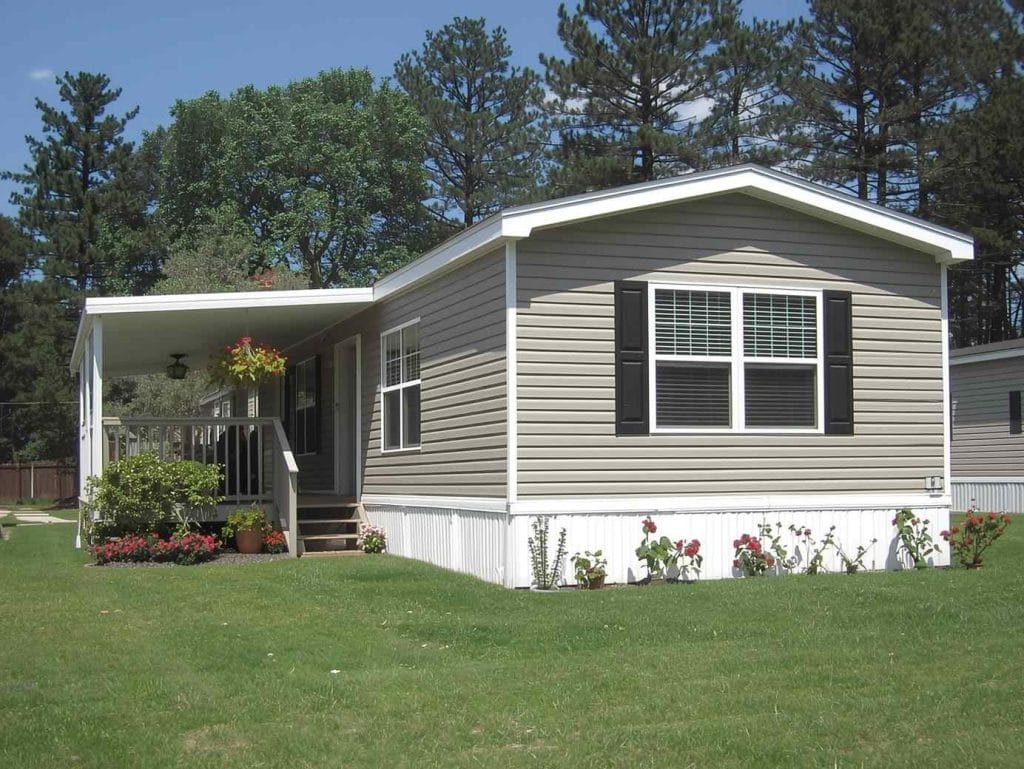
First impressions matter, and the exterior of your mobile home is the first thing buyers will see. Enhance curb appeal by maintaining the lawn, trimming bushes, and adding potted plants or flowers. A fresh coat of paint on the exterior can also give your home a well-kept look.
Landscaping Tips
Landscaping is a powerful tool for enhancing curb appeal. Simple actions like mowing the lawn, planting seasonal flowers, or adding mulch can transform the exterior appearance and create a welcoming entrance for buyers.
Exterior Paint and Repairs
Consider the condition of your home’s exterior. A fresh coat of paint or repairing damaged siding can rejuvenate the look of your home. Opt for neutral colors that appeal to a wide range of buyers and add to the overall aesthetic.
Lighting and Entryway Enhancements
Enhancing the entryway with new lighting, a welcome mat, or decorative elements can create an inviting atmosphere. Solar path lights or a new front door can make a significant difference in how buyers perceive the home from the moment they arrive.
Stage Your Home
Staging your home can help buyers envision themselves living in the space. Arrange furniture to create an open and welcoming environment. Use neutral colors and minimal decor to appeal to a broad range of buyers.
Furniture Arrangement
Strategically arranging furniture can open up spaces and highlight the functionality of each room. Consider removing oversized pieces that make rooms feel cramped, and use furniture to define areas and create flow throughout the home.
Color and Décor Choices
Choose neutral colors for walls and décor to create a blank canvas for buyers’ imaginations. Soft, neutral tones are inviting and can make spaces feel larger and brighter, appealing to a diverse audience.
Creating a Welcoming Atmosphere
Small touches like fresh flowers, cozy throws, or gently scented candles can create a warm, inviting atmosphere. These elements make the home feel lived-in and welcoming, encouraging buyers to envision themselves in the space.
Marketing Your Manufactured Home
Effective marketing is essential to reach potential buyers and sell your home quickly. Here are some strategies to consider when marketing your used manufactured home:
Online Listings
List your home on popular real estate websites and platforms that specialize in manufactured homes. Include high-quality photos that showcase the interior and exterior of your home. Provide a detailed description highlighting its features, upgrades, and any community amenities.
Crafting Compelling Listings
A well-crafted listing description can attract more interest. Highlight unique features, recent upgrades, and community perks. Use engaging language to tell the story of your home, capturing the attention of potential buyers.
Photography Tips
High-quality photos are crucial for online listings. Use natural lighting and capture images from various angles to showcase each room’s best features. Consider hiring a professional photographer to ensure your home is presented in the best possible light.
Leveraging Real Estate Platforms
Utilize platforms like Zillow, Realtor.com, and niche sites focusing on manufactured homes. These platforms have large audiences and tools that make it easier for potential buyers to find and interact with your listing.
Social Media
Utilize social media platforms like Facebook and Instagram to reach a broader audience. Share your listing with friends and family, and consider joining local groups dedicated to buying and selling mobile homes in Houston, TX.
Building an Online Presence
Create engaging content about your home on social media. Use images, videos, and virtual tours to provide a comprehensive view of the property. Engaging with followers and responding to inquiries promptly can also help increase interest.
Targeting Local Groups
Joining local online groups or forums related to real estate in Houston can expand your reach. Sharing your listing in these communities connects you with individuals specifically interested in buying homes in your area.
Paid Advertising Options
Consider investing in paid social media advertising to boost your listing’s visibility. Platforms like Facebook and Instagram offer targeted advertising options, allowing you to reach specific demographics and increase the chances of finding the right buyer.
Open Houses and Showings
Hosting open houses and private showings allows potential buyers to tour your home and envision themselves living there. Prepare your home by ensuring it’s clean and welcoming for visitors. Be available to answer questions and highlight key features during the tour.
Preparing for Open Houses
Ensure your home is spotless and staged before hosting an open house. Create an inviting atmosphere with pleasant scents and soft music. Consider providing brochures or information sheets about your home and the neighborhood for interested visitors.
Virtual Showings
Incorporate virtual showings to reach buyers unable to attend in person. Use video conferencing tools to conduct tours, highlighting key features and answering questions in real-time. This approach expands your potential buyer pool and increases convenience.
Follow-Up Strategies
After showings, follow up with attendees to gauge interest and address any additional questions they might have. Personalized follow-ups can demonstrate your commitment to selling and may help you secure an offer more quickly.
Work with a Real Estate Agent
Consider working with a real estate agent who specializes in manufactured homes. An experienced agent can provide valuable insights, handle negotiations, and help you navigate the selling process with ease.
Finding the Right Agent
Look for agents with experience in selling manufactured homes. Ask for referrals and conduct interviews to find someone who understands your needs and has a proven track record of successful transactions in your area.
Benefits of Professional Representation
A real estate agent can streamline the selling process by handling paperwork, negotiations, and marketing strategies. Their expertise can help you avoid common pitfalls and ensure a smooth transaction from start to finish.
Negotiation and Closing Assistance
Agents are skilled negotiators who can help you secure the best possible price for your home. They also assist with closing procedures, ensuring all necessary documentation is in order and the sale proceeds without complications.

Negotiating and Closing the Sale
Once you receive offers from interested buyers, it’s time to negotiate and close the sale. Here are some tips to keep in mind during this phase:
Evaluate Offers
Carefully review each offer and consider factors such as the buyer’s financing, proposed closing date, and any contingencies. Compare offers to determine which one aligns best with your goals.
Understanding Offer Components
An offer consists of several components, including the price, contingencies, and financing terms. Understanding each element helps you make informed decisions about which offer best meets your needs.
Weighing Pros and Cons
Evaluate the advantages and disadvantages of each offer. Consider not just the offered price but also the strength of the buyer’s financial situation and their commitment to the purchase.
Timing Considerations
Consider the timing of each offer in relation to your moving plans. A quick closing may be appealing if you’re eager to relocate, but be mindful of potential delays and ensure you have contingency plans in place.
Negotiate Terms
Don’t be afraid to negotiate terms with potential buyers. This may include adjusting the selling price, covering certain closing costs, or addressing specific repairs requested by the buyer.
Effective Negotiation Techniques
Approach negotiations with a collaborative mindset. Be open to compromise while remaining firm on your priorities. Effective communication and understanding the buyer’s perspective can lead to mutually beneficial agreements.
Addressing Buyer Requests
Buyers may request certain repairs or concessions. Evaluate these requests carefully and consider their impact on the sale. Agreeing to reasonable terms can facilitate a smoother transaction and increase buyer satisfaction.
Maintaining Flexibility
Flexibility can be a valuable asset during negotiations. Being willing to adjust terms or timelines to accommodate the buyer can strengthen your position and increase the likelihood of a successful sale.
Finalize the Sale
Once you’ve reached an agreement, work with your real estate agent or attorney to finalize the sale. Ensure all necessary paperwork is completed accurately and that both parties adhere to the agreed-upon terms.
Coordinating with Professionals
Collaborate with your real estate agent, attorney, and any other professionals involved in the sale to ensure a seamless closing process. Their expertise ensures that all legal and financial requirements are met.
Reviewing Closing Documents
Review all closing documents carefully before signing. Ensure that the terms reflect the negotiated agreement and that all necessary signatures and approvals are in place.
Ensuring Compliance with Regulations
Verify that the sale complies with all local and state regulations. This includes ensuring that all required inspections and disclosures are completed and documented as part of the sale.
Transfer Ownership
After closing, transfer ownership to the buyer by signing over the title and providing any additional documentation required by local regulations. Make sure all utilities are transferred to the new owner’s name.
Title Transfer Process
The title transfer is a crucial part of the sale. Ensure that all necessary documentation is properly completed and submitted to the appropriate authorities to officially transfer ownership to the buyer.
Handling Utilities
Coordinate with utility companies to transfer services to the new owner. Provide the buyer with contact information and account details to ensure a smooth transition.
Post-Sale Follow-Up
After the sale, follow up with the buyer to address any remaining questions or concerns. This courteous gesture can leave a positive impression and may facilitate future referrals or opportunities in real estate.
Conclusion
Selling a used manufactured home in Houston, TX, requires careful planning and execution. By understanding your mobile home’s value, preparing it for sale, marketing effectively, and negotiating with buyers, you can achieve a successful transaction. Whether you’re upgrading or relocating, these tips will help you navigate the selling process with confidence and maximize your home’s potential value.
Remember, patience and persistence are key in real estate transactions. With the right approach, you’ll find the perfect buyer for your manufactured home in no time. Good luck!
👉 Call our office today at (713) 581-9075 to discuss your home and get a no-obligation offer. Houston Capital Home Buyers can help.