How to Spot Problems Before They Become Costly
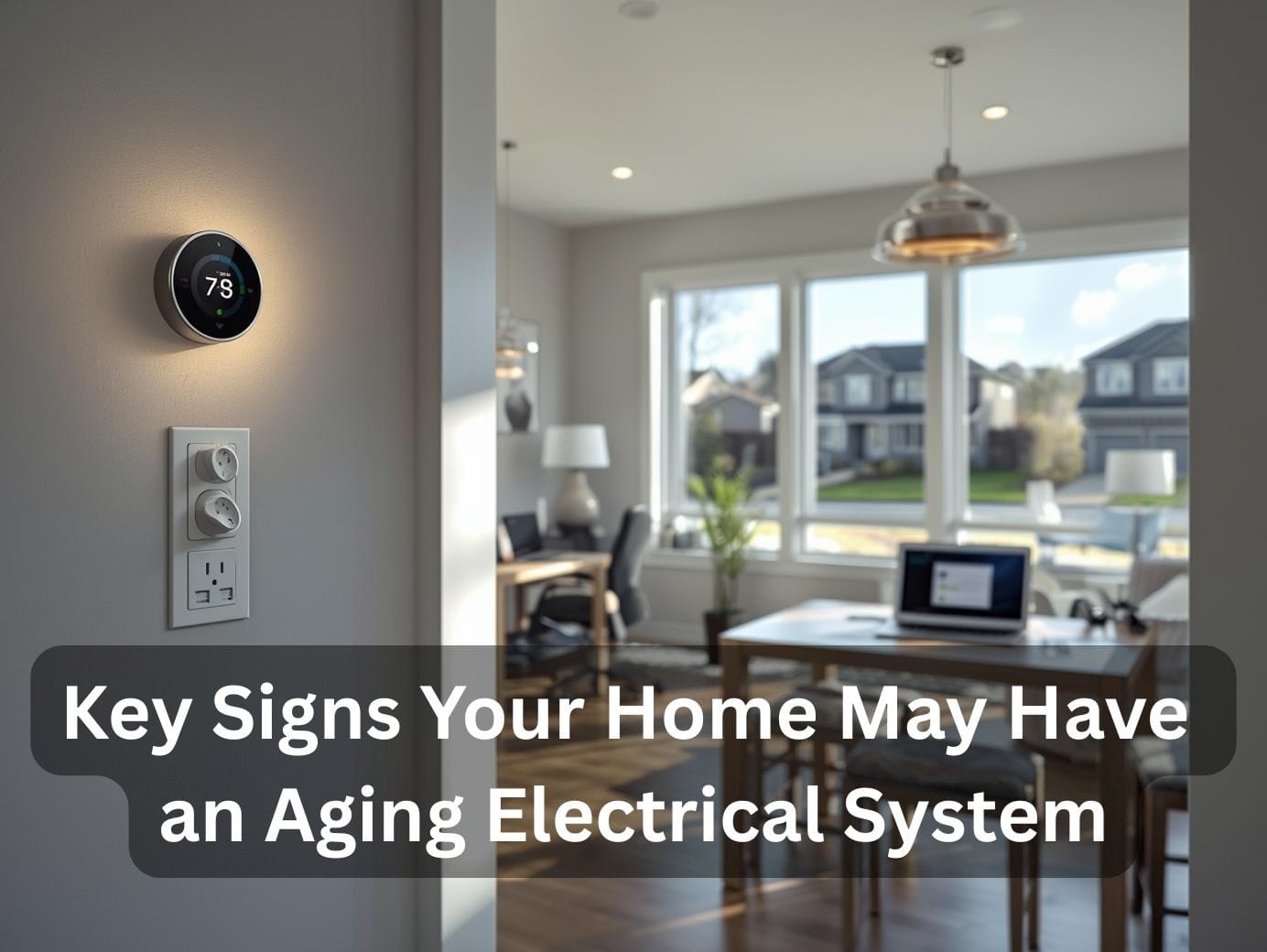
Owning a home is one of the biggest investments you can make, but aging electrical systems can turn a dream house into a safety hazard. Whether you live in a mobile home or a traditional house, knowing the signs of worn-out wiring can save you time, money, and potential accidents. In this article, we’ll explore the warning signs, discuss neighborhood comparisons, and show how homeowners can maintain value while keeping safety a top priority.
Why Electrical Health Matters
Electrical systems are the backbone of modern homes. From lighting to appliances, everything relies on electricity, and over time, wires, panels, and outlets can deteriorate. Ignoring early warning signs may lead to:
- Frequent breaker trips
- Flickering lights
- Outlets that feel warm to the touch
- Strange odors, like burning or metallic smells
- Difficulty powering multiple devices
By addressing issues early, you not only protect your family but also maintain your home’s market value. For mobile home owners, it’s also wise to check Kelley Blue Book mobile home value for free, especially before selling or upgrading.
Common Signs of an Aging Electrical System
Here are some of the most common red flags:
- Frequent Circuit Breaker Trips – If your breakers keep flipping, it could indicate overloaded circuits or old wiring that can’t handle modern appliances.
- Flickering or Dimming Lights – Not just annoying, this can point to loose connections or voltage fluctuations.
- Burning Smells or Sparks – These are serious hazards. Call a professional immediately if you notice electrical sparks or strange odors.
- Outlets or Switches That Don’t Work – Often a sign of worn wiring or outdated components.
- Aluminum Wiring – Homes built before the 1970s may have aluminum wiring, which poses fire risks if not properly maintained.
For detailed guidance, you can reference the Consumer Product Safety Commission’s tips on home electrical safety here.
Neighborhood Electrical Profiles & Comparisons
Not all neighborhoods are created equal when it comes to electrical infrastructure. Older communities may have homes with original wiring, while newer developments often come with updated circuit panels and energy-efficient systems.
- Suburban Areas: These homes tend to have better-maintained wiring, but older houses may still feature outdated panels.
- Mobile Home Communities: Electrical systems vary widely. It’s especially crucial to check Kelley Blue Book mobile home value for free to understand both safety and resale value.
- Urban Neighborhoods: Frequent renovations may mean partial updates to electrical systems. However, patchwork upgrades can leave hidden risks.
By knowing your neighborhood profile, homeowners can better prioritize upgrades and compare the long-term costs of electrical maintenance.
Partnering for Safety & Home Value
When dealing with aging electrical systems, collaboration is key. Partnering with licensed electricians, home inspectors, and trusted real estate consultants ensures:
- Accurate home value assessments
- Safer electrical upgrades
- Cost-effective solutions for resale or refinancing
How Houston Capital Home Buyers Can Help
Houston Capital Home Buyers has helped countless homeowners navigate home safety and resale. By leveraging expert knowledge and trusted local partnerships, they offer:
- Free home value estimates
- Guidance on upgrading electrical systems
- Assistance for homeowners looking to sell quickly and safely
Their Google Business reviews speak for themselves: customers praise their transparency, professionalism, and honest advice. Check their trusted reviews here — it’s something any homeowner can be proud of.
Local Regulations & Safety Tips
Homeowners should also stay informed about local and national electrical safety standards:
- National Electrical Code (NEC) ensures wiring meets safety requirements NEC Overview
- EPA guidance on energy efficiency can save money while upgrading wiring EPA Home Energy
- Consumer safety tips for older homes CPSC Electrical Safety
By adhering to these standards, you not only protect your family but also increase your home’s market appeal.
FAQs About Aging Electrical Systems
Q: How often should I have my electrical system inspected?
A: At least every 3–5 years, or immediately if you notice flickering lights, breaker trips, or burning smells.
Q: Can I sell my home with an aging electrical system?
A: Yes, but it’s wise to upgrade or document safety improvements to maintain value.
Q: How do I know if my home uses aluminum wiring?
A: Homes built before the 1970s often use aluminum wiring. A professional inspection is the safest way to confirm.
Protect Your Home and Family Today
Understanding the signs of an aging electrical system can prevent accidents and protect your investment. Whether you’re in a mobile home or a traditional house, proactive inspections and upgrades are essential.
Houston Capital Home Buyers can guide you through safety upgrades, home valuations, and resale options, making the process stress-free.
For expert assistance or to learn more, contact their office hotline at (713) 581 9075.