The Debt Dilemma for Large Family-Owned Farms
Family-owned farms have been the backbone of American agriculture for generations. However, these farms are facing significant financial challenges today, with debt becoming an increasingly common problem. According to the USDA, 74% of large family farms with younger operators had debt in 2022. For many of these farms, finding a way out of debt is crucial for their survival. One potential solution that has been gaining attention is the option of a fast cash offer for farmland from real estate developers.
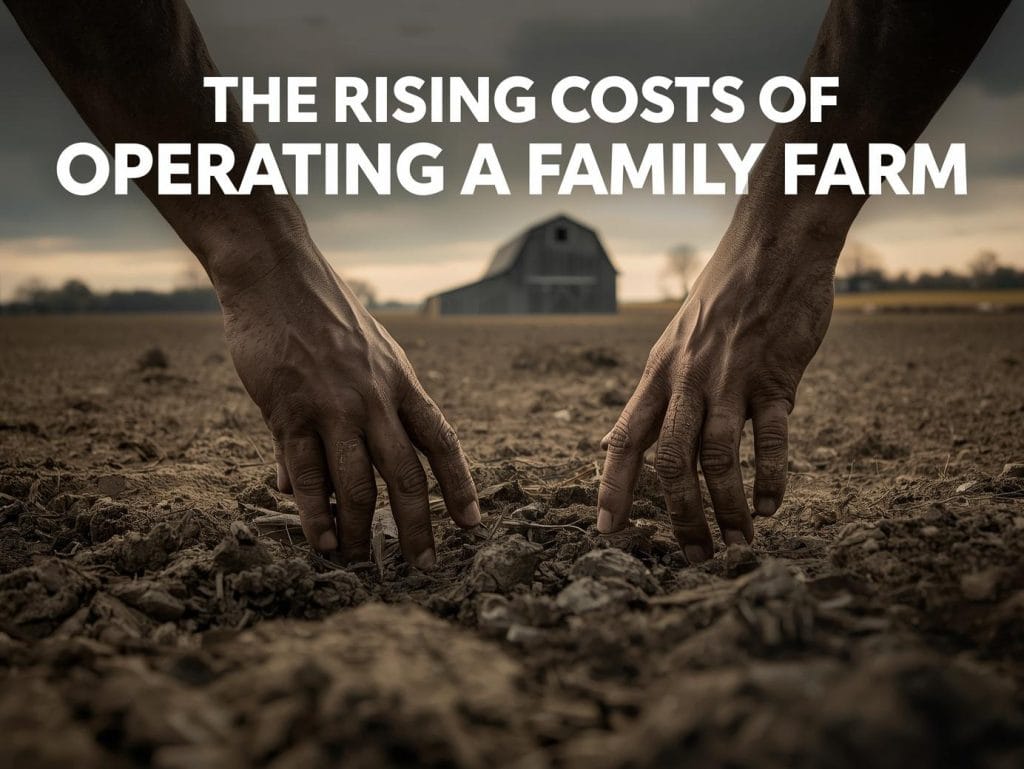
The Rising Costs of Operating a Family Farm
Running a large family farm today is more expensive than ever before. Farmers face steep increases in nearly every operating cost category. The prices of fertilizers, seeds, and pesticides have surged in recent years due to global supply chain disruptions and inflation. Essential farm machinery — tractors, harvesters, and irrigation systems — also require regular maintenance or costly replacements.
In addition, farms must now invest in modern technology to remain competitive, such as precision agriculture tools, data-driven irrigation systems, and environmentally sustainable equipment. These innovations, while beneficial, come at a high cost. Environmental compliance adds further expenses, as regulations become more stringent to address sustainability and carbon footprint concerns.
Labor costs are another critical factor. As rural populations decline, finding and keeping skilled workers has become a challenge. Farmers must offer competitive wages and benefits to attract employees, further squeezing profit margins. Even minor unexpected costs, such as equipment breakdowns or crop disease outbreaks, can quickly turn a profitable season into a financial loss. Over time, these compounding pressures make debt almost unavoidable for many family-owned farms.
Market Volatility and Its Impact on Farm Revenue
The agricultural market is notoriously unpredictable. Prices for key commodities such as corn, soybeans, and wheat can fluctuate dramatically due to global trade disputes, climate conditions, and shifts in consumer demand. When prices fall unexpectedly, even large, well-managed farms can struggle to cover their costs or make loan payments.
For instance, when international trade tensions limit export opportunities, domestic prices often drop, directly affecting farmers’ bottom lines. Additionally, unpredictable input costs—from diesel fuel to feed—make financial planning extremely challenging. This volatility means that a single bad season can create a ripple effect of debt that takes years to recover from.
Family-owned farms typically operate on thin margins, relying heavily on consistent yields and stable prices. Unfortunately, both of these factors are becoming less reliable. As a result, many farms turn to credit to stay operational during downturns, unintentionally deepening their debt burden over time.

The Role of Weather and Climate Change
Weather has always played a major role in agriculture, but climate change has amplified its unpredictability. Droughts, floods, and severe storms are becoming more frequent and intense, posing serious risks to crop yields and livestock production. Prolonged droughts can devastate harvests, while flooding can destroy equipment, erode soil, and wipe out entire planting seasons.
Climate change also disrupts planting and harvesting schedules, altering the timing of growing seasons and affecting crop productivity. In regions dependent on stable rainfall or irrigation, changing weather patterns can drastically reduce output and profitability. These unpredictable events often force farms to take out emergency loans to recover — perpetuating the debt cycle.
Insurance can help mitigate some losses, but policies rarely cover all damages or lost revenue. The result is an increasing number of large family-owned farms trapped between rising debt and declining profitability, struggling to adapt to a changing environment while maintaining operations.

Challenges in Securing Traditional Loans
Access to traditional financing has become increasingly difficult for family-owned farms. Banks and agricultural lenders have tightened their lending criteria in response to market instability and rising default risks. Many lenders now require extensive documentation, solid collateral, and strong credit histories — requirements that are often hard to meet for farms already burdened with debt.
High debt-to-income ratios, fluctuating land values, and inconsistent revenue streams make many farms appear risky to financial institutions. As a result, loans come with higher interest rates or shorter repayment terms, making them more expensive and harder to manage.
Moreover, the uncertainty caused by climate change and market volatility makes lenders even more cautious. Farms in regions prone to droughts, floods, or hurricanes often face additional scrutiny or outright rejection of loan applications. This tightening of credit leaves many families with limited options just when they most need financial support.
When traditional loans are inaccessible, some farms turn to alternative lenders or high-interest financing, which can quickly escalate debt levels. Over time, this creates a vicious cycle — borrowing to cover previous debts — that can become impossible to escape.
Benefits of a Fast Cash Offer from a Real Estate Developer
For families facing overwhelming debt, selling part or all of their land to a real estate developer through a fast cash offer can be a practical, life-changing solution. Unlike traditional sales that may take months to close, a cash offer provides immediate liquidity — often within weeks. This speed allows families to address pressing financial obligations like loan repayments, overdue taxes, or operational costs without delay.
The process is also much simpler than conventional property sales. There are no lengthy negotiations, financing contingencies, or repair requirements. Developers typically purchase land as-is, which removes the need for costly upgrades or environmental compliance work before selling. This can be a huge relief for farm owners who may not have the resources to invest in property improvements.
Another advantage of selling for cash is flexibility. Some developers offer creative arrangements, such as allowing the family to lease back a portion of the land or maintain certain farming rights. This provides a smoother transition and helps preserve a family’s agricultural legacy while still resolving debt.
While the decision to sell farmland is never easy, it can be a responsible financial move — especially when weighed against the risks of ongoing debt accumulation and potential foreclosure. By accepting a fair cash offer, families can regain control of their finances and open the door to new opportunities, whether that means downsizing operations, diversifying investments, or pursuing other ventures.
Preserving Legacy While Moving Forward
One of the hardest parts of the debt dilemma for large family-owned farms is the emotional weight tied to the land. For many families, their farm represents generations of hard work and identity. Selling it can feel like giving up a part of that history. However, it’s important to view such decisions as strategic rather than emotional.
Selling land or assets to resolve debt doesn’t mean the end of a family’s agricultural story — it can mark the beginning of a new chapter. Many families use the proceeds from a cash sale to reinvest in smaller, more manageable operations or transition into agribusiness ventures like food processing, agri-tourism, or renewable energy.
By taking decisive financial action now, families can protect their long-term stability, preserve what matters most, and ensure that future generations continue to benefit from the values and legacy built by those before them.
Conclusion
The debt dilemma for large family-owned farms is a growing concern in American agriculture. Rising costs, unpredictable markets, and environmental challenges are pushing many farms into unsustainable financial positions. While traditional financing options are becoming more restrictive, innovative solutions like fast cash offers from developers provide a viable way out.
By embracing realistic and proactive strategies, family-owned farms can overcome financial hardship, safeguard their legacy, and adapt to the changing landscape of modern agriculture. The key lies in recognizing when to act — and having the courage to make choices that secure the future, not just for the farm, but for the family behind it.
- ⇒Any House… Any Condition
- ⇒No Pressure. No Repair. No Showings
- ⇒Highest Guaranteed Cash Offer
- ⇒No Last-Minute Renegotiations
- ⇒We’re End Buyers w/ 100% CLOSE RATE
- ⇒5-STAR RATED SERVICE 12 YEARS AND COUNTING
1334 Brittmoore Rd Houston, Tx 77043