Defining Today’s Factory-Built Housing
When you look at a house built in a factory, you might wonder what to call it. Many people use different terms for these houses without knowing they mean different things. Choosing the right term matters a lot when you want to buy, finance, or sell a property. Knowing the facts helps you make smart choices for your wallet and your lifestyle.
The Big Turn: 1976 and the HUD Code
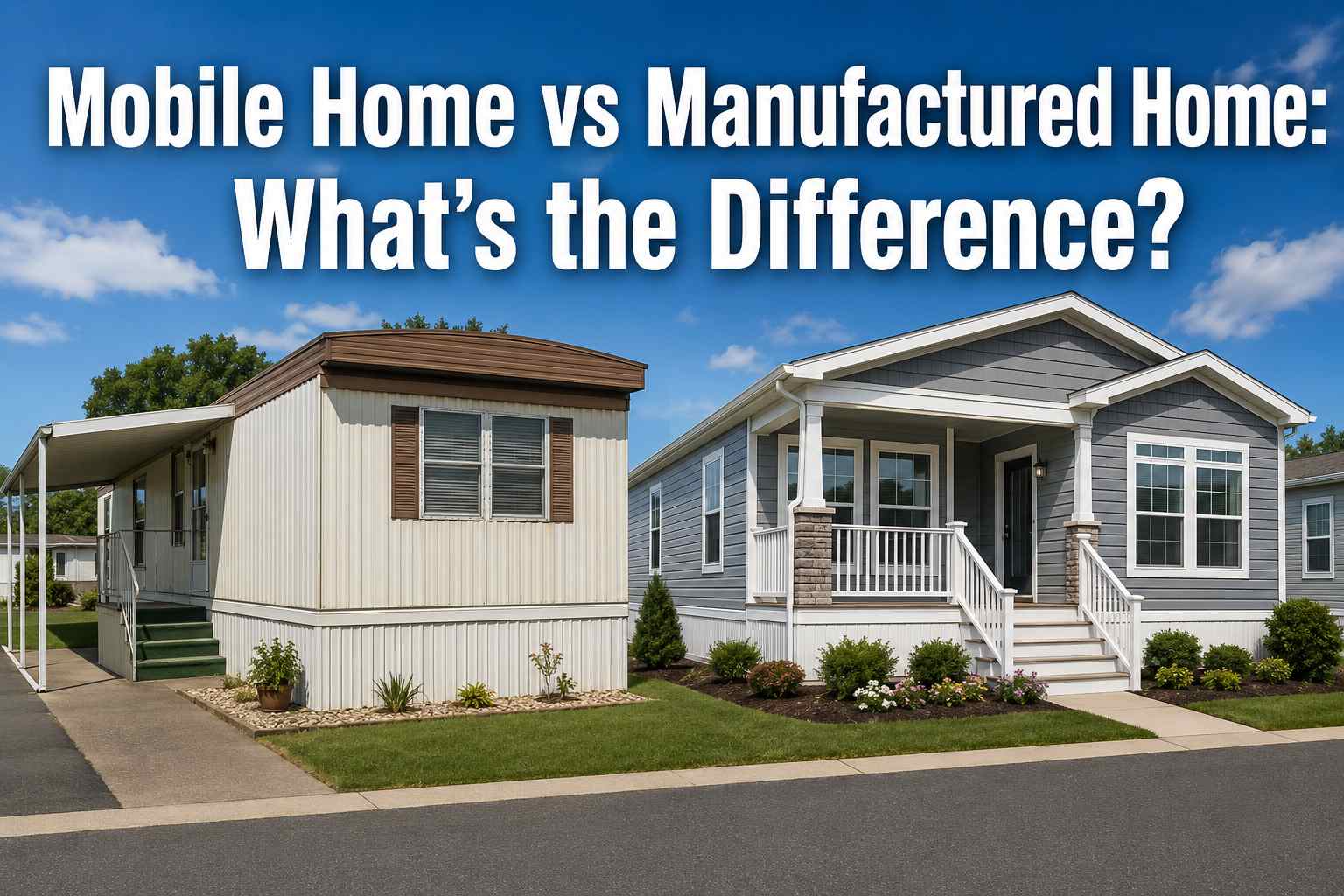
The main difference between these two types of houses comes down to a specific date. Before June 15, 1976, factory-built houses did not have strict national building rules. People called these older structures mobile homes. They sat on steel chassis so owners could tow them from place to place easily.
On that date in 1976, the U.S. Department of Housing and Urban Development created the HUD Code. This act changed everything. Any factory-built house made after this date is officially a manufactured home. The new law set strict rules for safety, strength, fire safety, and energy use. If a structure was built after the summer of 1976, it is not a mobile home by law.
How Construction Methods Differ
Builders make manufactured houses inside large, climate-controlled factories. This setup keeps the building materials safe from rain, wind, and harsh weather during the build. Workers assemble the floors, walls, and roofs on a permanent steel frame. Once finished, truck drivers haul the sections to the home site.
A mobile home built decades ago used lighter materials and simpler methods. They did not have to pass strict safety tests. Modern manufactured houses use the same strong wood, drywall, and insulation as houses built directly on a plot of land. They must pass tough inspections before they leave the factory floor.
Foundations and Moving the Structure
True mobile homes were built to move. They often stayed on wheels or simple concrete blocks so owners could hook them up to a truck again later. They rarely attached to the ground in a permanent way.
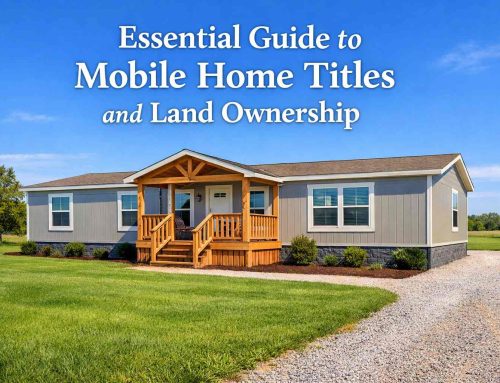
Modern manufactured houses can move once from the factory to the homesite. After workers place the house on its plot, they secure it to a permanent foundation. This foundation can use concrete footings or a full basement. Once in place, moving the house again is very hard and can damage the structure. The home becomes a permanent part of the real estate.
Financing and Property Loans
Getting a loan for an older mobile home can be very hard. Most banks do not like to offer traditional mortgages for them. They view these older models as personal property, much like a car or a boat. You might have to take out a personal loan with higher interest rates.
Manufactured houses offer more choices for buyers. If you place the house on a permanent foundation on land you own, banks view it as real property. This status allows you to apply for standard mortgages. You can check the official rules on loans through the U.S. Department of Housing and Urban Development to see how these properties qualify for federal loan backing.
Property Value and Market Trends
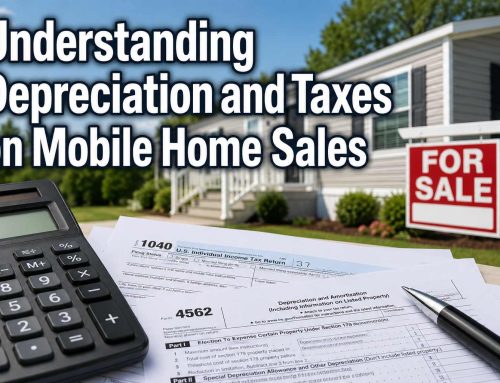
Older mobile homes usually lose value over time. They wear out faster because they use older building materials. Buyers view them as temporary housing, which drives the market price down.
Manufactured houses hold their value much better. If you take good care of the structure and own the land underneath it, the price can rise over time. The local housing market, the neighborhood quality, and regular upkeep affect the final value. Many people find these houses to be a great, budget-friendly way to build wealth through real estate.
Neighborhood Profiles and Local Real Estate
Where you place your house alters its resale value and daily appeal. In the greater Houston area, different neighborhoods offer unique choices for factory-built housing. For example, La Porte provides a lovely coastal feel near the bay, making it a hot spot for people who love the water. Suburbs like Pasadena offer a more industrial, working-class vibe with quick access to jobs. Places like Deer Park give residents a tight-knit, quiet suburban feel with great local parks.
When you look at these areas, you must look at local zoning laws. Some neighborhoods allow manufactured houses on private lots, while others restrict them to specific land-lease communities. Buying a plot in a developing area can lead to high equity growth. Placing a home in an established park means you pay a monthly lot rent but enjoy shared amenities. Knowing the local layout helps you pick the right spot for your investment.
Choosing Between Land-Lease Communities and Private Plots
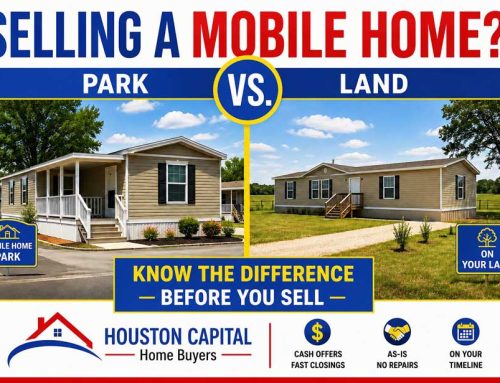
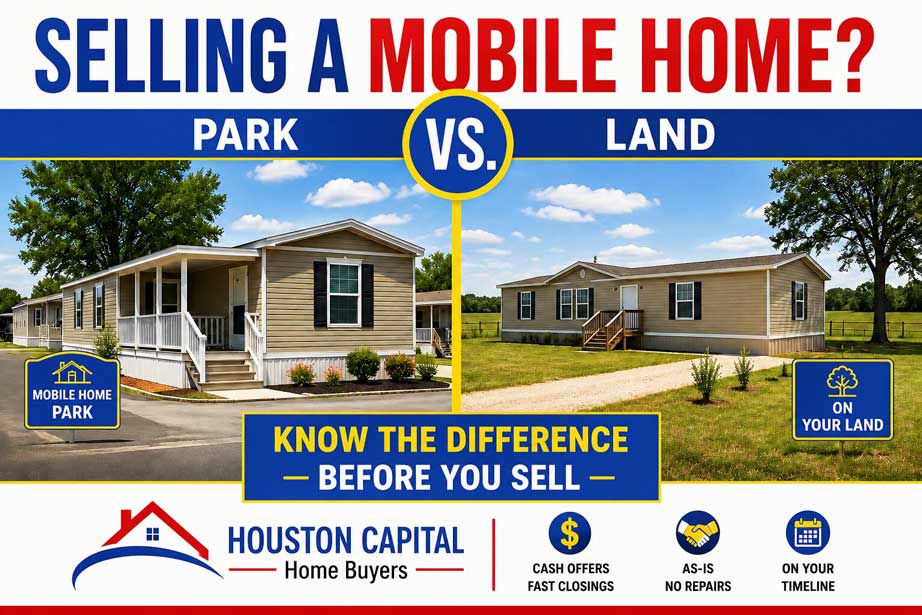
A land-lease community, often called a trailer park or manufactured home community, means you own the house but rent the dirt under it. This choice keeps your initial costs low. The park owner takes care of the roads, shared spaces, and utility lines. However, your monthly lot rent can rise over time.
Buying a private lot gives you full control over your property. You do not have to worry about a landlord raising your rent. You can plant trees, build a garage, or expand your yard as you wish. The downside is that you must pay for your own land clearing, utility hookups, and driveway installation, which adds to your upfront costs.
Finding Real Estate Help in Texas
Navigating the local market can feel overwhelming when you want to buy or sell. Working with local experts makes the process much simpler. Houston Capital Home Buyers helps local residents navigate the changing real estate market every single day. Whether you need to figure out zoning rules or want to sell a property quickly, local pros give you the guidance you need.
Local real estate trends shift fast. Having a trusted team on your side keeps you from making costly mistakes. You can learn more about what buyers want today by reviewing current data on mobile home buyer preferences todays market. This guide shows you exactly what features make a property stand out to buyers right now.
Why Our Local Reviews Matter
We take huge pride in how we treat our clients and neighbors across Texas. Our team works hard to provide fair, honest, and fast service to every homeowner we meet. You do not have to take our word for it; our clients share their real stories openly. We invite you to read through our verified Google My Business Trusted Reviews to see how we have helped families move on to their next chapters without stress.
Our high ratings reflect our core promise: we treat people with respect, close deals on time, and never play games with our offers. We love supporting our local communities and building long-term trust across the region.
How Houston Capital Home Buyers Can Help
If you own an older property and want to sell it without hassle, we are here for you. Houston Capital Home Buyers buys houses and factory-built homes in any condition. You do not need to spend thousands of dollars fixing old roofs, painting walls, or cleaning up messy rooms. We buy properties exactly as they sit today.
We make the selling process simple. You do not have to hire an agent, host open houses, or wait months for a bank to approve a buyer’s loan. We offer cash for homes, which allows us to close the deal on your schedule. If you need to sell your house fast due to a move, inheritance, or financial shift, we can give you a fair cash offer within days.
How to Check Your Home’s Real Status
If you are unsure what kind of house you own, you can look for specific clues. Walk outside and look at the base of the structure. Manufactured houses have a red certification label on the exterior of each section. This metal plate proves the house matches HUD safety rules.
Inside the home, you can usually find a data plate near the main electrical panel, in a bedroom closet, or under the kitchen sink. This paper document shows the date of build, the factory location, and the comfort zones for heating and cooling. If you cannot find these tags and the house looks very old, you can reach out to the Manufactured Housing Association for historical records and identification tips.
Frequently Asked Questions
Can I convert a mobile home into a manufactured home? No, you cannot convert an older mobile home into a manufactured home. A house must match the HUD Code at the exact moment factory workers build it. You cannot change the official legal classification of a structure built before June 15, 1976, by doing remodeling work or upgrades later on.
Do manufactured homes stand up well to strong storms and winds? Yes, modern manufactured houses stand up well to storms. The HUD Code requires these houses to match strict wind safety rules based on where workers install them. Houses built for coastal areas feature extra ties and stronger frames to withstand high winds just like site-built homes.
Is it possible to get a standard home insurance policy for these properties? Yes, you can secure insurance for these homes easily. Insurance companies write policies for manufactured housing all the time. Your premium rates will depend on the age of the house, the quality of the foundation, the local weather risks, and whether you own the land.
Making Smart Moves for Your Future
Understanding the debate of mobile home vs manufactured home helps you avoid bad deals and make great investments. Knowing the build dates, construction rules, and financing options protects your hard-earned money. If you want to sell your property in La Porte or the surrounding areas without any headaches, give us a call today at (713) 581 9075 to speak with our friendly team.